100+ Essential Japanese Food Vocabulary: Ordering at Restaurants & Beyond
Learn Japanese food vocabulary with romaji and meanings. From sushi to ramen, master essential words for dining out, grocery shopping, and talking about Japanese cuisine.
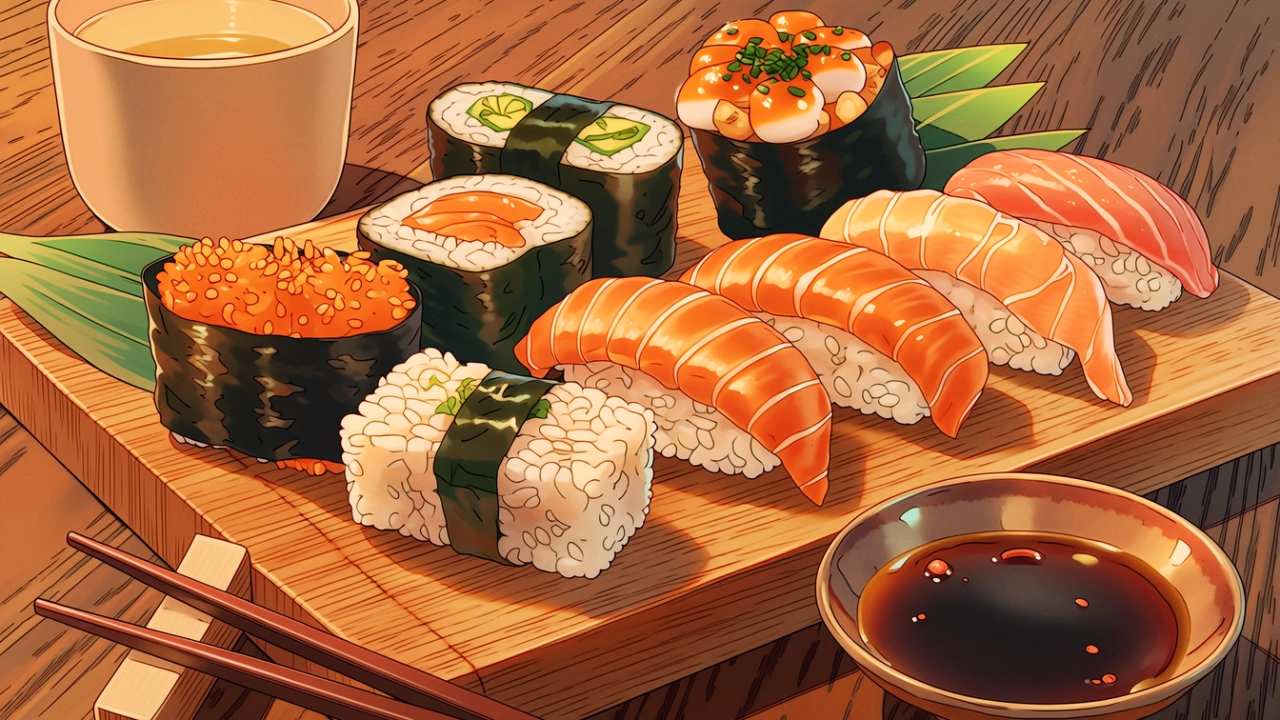
Food is one of the best entry points into any language, and Japanese is no exception.
When you arrive in Japan and walk into a restaurant, a convenience store, or a supermarket, the words around you are not abstract. They refer to things you can see, smell, and taste. That concreteness makes vocabulary stick faster than almost any other category of words.
This guide covers more than 100 Japanese food words organized by category, with kanji, kana readings, romaji, and meanings. At the end, you will find essential restaurant phrases that let you order confidently, ask questions, and handle common situations from allergies to the bill.
Basic Food and Meal Words
These are the foundational words. Learn them first.
| Kanji | Kana | Romaji | Meaning |
|---|---|---|---|
| 食べ物 | たべもの | tabemono | food |
| 飲み物 | のみもの | nomimono | drink / beverage |
| 食事 | しょくじ | shokuji | a meal |
| 朝ごはん | あさごはん | asagohan | breakfast |
| 昼ごはん | ひるごはん | hirugohan | lunch |
| 晩ごはん | ばんごはん | bangohan | dinner |
| 夕食 | ゆうしょく | yuushoku | dinner (formal) |
| おやつ | おやつ | oyatsu | snack |
| デザート | デザート | dezaato | dessert |
Types of Eating Establishments
| Kanji | Kana | Romaji | Meaning |
|---|---|---|---|
| レストラン | レストラン | resutoran | restaurant (Western-style) |
| 食堂 | しょくどう | shokudou | canteen / casual diner |
| 居酒屋 | いざかや | izakaya | Japanese pub with food |
| カフェ | カフェ | kafe | cafe |
| ラーメン屋 | ラーメンや | raamen-ya | ramen restaurant |
| 寿司屋 | すしや | sushi-ya | sushi restaurant |
| コンビニ | コンビニ | konbini | convenience store |
| 屋台 | やたい | yatai | food stall / street food cart |
Japanese Staple Foods
Rice and Rice Dishes
Rice is the center of Japanese cuisine. These words come up constantly.
| Kanji | Kana | Romaji | Meaning |
|---|---|---|---|
| ご飯 | ごはん | gohan | cooked rice / meal |
| 米 | こめ | kome | uncooked rice |
| おにぎり | おにぎり | onigiri | rice ball |
| お弁当 | おべんとう | obentou | boxed lunch |
| 丼 | どんぶり | donburi | rice bowl dish |
| 親子丼 | おやこどん | oyakodon | chicken and egg rice bowl |
| 牛丼 | ぎゅうどん | gyuudon | beef rice bowl |
| チャーハン | チャーハン | chaahan | fried rice |
| お粥 | おかゆ | okayu | rice porridge |
| 寿司 | すし | sushi | sushi |
| 回転寿司 | かいてんずし | kaitenzushi | conveyor belt sushi |
Noodles
Japan has a rich noodle culture with distinct varieties for different occasions.
| Kanji | Kana | Romaji | Meaning |
|---|---|---|---|
| 麺 | めん | men | noodles (general) |
| ラーメン | ラーメン | raamen | ramen |
| うどん | うどん | udon | thick wheat noodles |
| そば | そば | soba | buckwheat noodles |
| そうめん | そうめん | soumen | thin wheat noodles (served cold) |
| 焼きそば | やきそば | yakisoba | stir-fried noodles |
| つけ麺 | つけめん | tsukemen | dipping noodles |
Sushi, Seafood, and Fish
| Kanji | Kana | Romaji | Meaning |
|---|---|---|---|
| 刺身 | さしみ | sashimi | raw fish slices |
| 魚 | さかな | sakana | fish |
| 天ぷら | てんぷら | tenpura | tempura |
| エビ | エビ | ebi | shrimp / prawn |
| マグロ | マグロ | maguro | tuna |
| サーモン | サーモン | saamon | salmon |
| イカ | イカ | ika | squid |
| タコ | タコ | tako | octopus |
| カニ | カニ | kani | crab |
| ウナギ | ウナギ | unagi | freshwater eel |
Meat
| Kanji | Kana | Romaji | Meaning |
|---|---|---|---|
| 肉 | にく | niku | meat |
| 鶏肉 | とりにく | toriniku | chicken |
| 牛肉 | ぎゅうにく | gyuuniku | beef |
| 豚肉 | ぶたにく | butaniku | pork |
| 焼き鳥 | やきとり | yakitori | grilled chicken skewers |
| 焼肉 | やきにく | yakiniku | grilled meat |
| とんかつ | とんかつ | tonkatsu | breaded pork cutlet |
| 唐揚げ | からあげ | karaage | Japanese fried chicken |
| しゃぶしゃぶ | しゃぶしゃぶ | shabu-shabu | hot pot with thin meat slices |
| すき焼き | すきやき | sukiyaki | sweet soy-braised beef hot pot |
Soups and Hot Pot
| Kanji | Kana | Romaji | Meaning |
|---|---|---|---|
| 味噌汁 | みそしる | misoshiru | miso soup |
| 鍋 | なべ | nabe | hot pot / stew |
| おでん | おでん | oden | simmered winter stew |
| 豚汁 | とんじる | tonjiru | pork and vegetable miso soup |
Vegetables and Fruits
Vegetables (野菜 / やさい / yasai)
| Kanji | Kana | Romaji | Meaning |
|---|---|---|---|
| 野菜 | やさい | yasai | vegetables |
| 玉ねぎ | たまねぎ | tamanegi | onion |
| にんじん | にんじん | ninjin | carrot |
| じゃがいも | じゃがいも | jagaimo | potato |
| さつまいも | さつまいも | satsumaimo | sweet potato |
| キャベツ | キャベツ | kyabetsu | cabbage |
| もやし | もやし | moyashi | bean sprouts |
| ほうれん草 | ほうれんそう | hourensou | spinach |
| なす | なす | nasu | eggplant |
| きゅうり | きゅうり | kyuuri | cucumber |
| トマト | トマト | tomato | tomato |
| ねぎ | ねぎ | negi | green onion |
| にんにく | にんにく | ninniku | garlic |
| しょうが | しょうが | shouga | ginger |
| 大根 | だいこん | daikon | Japanese radish |
| しいたけ | しいたけ | shiitake | shiitake mushroom |
Fruits (果物 / くだもの / kudamono)
| Kanji | Kana | Romaji | Meaning |
|---|---|---|---|
| 果物 | くだもの | kudamono | fruit |
| りんご | りんご | ringo | apple |
| バナナ | バナナ | banana | banana |
| いちご | いちご | ichigo | strawberry |
| みかん | みかん | mikan | mandarin orange |
| ぶどう | ぶどう | budou | grapes |
| もも | もも | momo | peach |
| スイカ | スイカ | suika | watermelon |
| メロン | メロン | melon | melon |
| なし | なし | nashi | Japanese pear |
Cooking Methods (調理方法)
Understanding how food is prepared helps you know what to expect when ordering.
| Kanji | Kana | Romaji | Meaning |
|---|---|---|---|
| 焼く | やく | yaku | to grill / bake |
| 揚げる | あげる | ageru | to deep-fry |
| 煮る | にる | niru | to boil / simmer |
| 蒸す | むす | musu | to steam |
| 炒める | いためる | itameru | to stir-fry |
| 生 | なま | nama | raw |
| 揚げ物 | あげもの | agemono | deep-fried dishes |
| 煮物 | にもの | nimono | simmered dishes |
| 漬け物 | つけもの | tsukemono | pickled foods |
Flavors and Seasonings
Flavor Words
| Kanji | Kana | Romaji | Meaning |
|---|---|---|---|
| 甘い | あまい | amai | sweet |
| 辛い | からい | karai | spicy / hot |
| 酸っぱい | すっぱい | suppai | sour |
| 苦い | にがい | nigai | bitter |
| しょっぱい | しょっぱい | shoppai | salty |
| 美味しい | おいしい | oishii | delicious |
| まずい | まずい | mazui | bad-tasting |
| さっぱり | さっぱり | sappari | light and refreshing |
Common Seasonings
| Kanji | Kana | Romaji | Meaning |
|---|---|---|---|
| 醤油 | しょうゆ | shouyu | soy sauce |
| 味噌 | みそ | miso | miso paste |
| 酢 | す | su | vinegar |
| 砂糖 | さとう | satou | sugar |
| 塩 | しお | shio | salt |
| 胡椒 | こしょう | koushou | black pepper |
| わさび | わさび | wasabi | wasabi |
| 生姜 | しょうが | shouga | ginger |
| だし | だし | dashi | Japanese soup stock |
| みりん | みりん | mirin | sweet rice wine (cooking) |
Essential Restaurant Phrases
Knowing these phrases transforms the restaurant experience.
Ordering
〜をください (〜wo kudasai) — "I'll have 〜, please"
ラーメンをください。— I'll have ramen, please.
〜にします (〜ni shimasu) — "I'll go with 〜"
カレーにします。— I'll have the curry.
〜はありますか (〜wa arimasu ka) — "Do you have 〜?"
ベジタリアンメニューはありますか?— Do you have a vegetarian menu?
Asking Questions
おすすめは何ですか (osusume wa nan desu ka) — "What do you recommend?"
〜は何ですか (〜wa nan desu ka) — "What is 〜?"
これは何ですか?— What is this?
Dietary Restrictions
アレルギーがあります (arerugii ga arimasu) — "I have an allergy"
〜アレルギーがあります — "I am allergic to 〜"
ナッツアレルギーがあります。— I am allergic to nuts.
辛くしないでください (karaku shinaide kudasai) — "Please don't make it spicy"
〜は食べられません (〜wa taberaremasen) — "I cannot eat 〜"
豚肉は食べられません。— I cannot eat pork.
〜なしでお願いします (〜nashi de onegaishimasu) — "Without 〜, please"
ねぎなしでお願いします。— Without green onion, please.
Reactions and the Bill
美味しい! (oishii!) — "Delicious!"
もっとください (motto kudasai) — "More, please"
お会計をお願いします (okaikei wo onegaishimasu) — "Check please"
Drinks (飲み物 / のみもの)
| Kanji | Kana | Romaji | Meaning |
|---|---|---|---|
| お水 | おみず | omizu | water (polite) |
| お茶 | おちゃ | ocha | tea (green tea by default) |
| 緑茶 | りょくちゃ | ryokucha | green tea |
| 紅茶 | こうちゃ | koucha | black tea |
| 抹茶 | まっちゃ | maccha | matcha |
| コーヒー | コーヒー | koohii | coffee |
| ジュース | ジュース | juusu | juice |
| ビール | ビール | biiru | beer |
| 日本酒 | にほんしゅ | nihonshu | sake |
| ワイン | ワイン | wain | wine |
| 焼酎 | しょうちゅう | shouchuu | shochu |
| 牛乳 | ぎゅうにゅう | gyuunyuu | milk |
| 豆乳 | とうにゅう | tounyuu | soy milk |
Japanese Food Culture Notes
いただきます and ごちそうさまでした
Two phrases frame every Japanese meal.
いただきます (itadakimasu) — Said before eating. Literally "I humbly receive." An expression of gratitude to the food, the person who prepared it, and everything that made the meal possible. Never skip this at a Japanese table.
ごちそうさまでした (gochisousamadeshita) — Said after finishing. "It was a feast." Used to thank the host or chef. In restaurants, it is common to say this to the staff as you leave.
回転寿司 (Kaitenzushi) — Conveyor Belt Sushi
One of Japan's most iconic dining experiences. Plates of sushi travel around the restaurant on a moving belt. You take what you want as it passes. Plates are color-coded by price. At the end, the server counts your plates to calculate the bill.
居酒屋 (Izakaya) Culture
The izakaya is central to Japanese social life. It combines a pub and tapas bar. You order many small dishes to share over drinks. Key vocabulary: おつまみ (otsumami) — bar snacks, 飲み放題 (nomi-houdai) — all-you-can-drink, 食べ放題 (tabe-houdai) — all-you-can-eat.
コンビニ (Konbini) — Convenience Store Food
Japanese convenience stores are legendary for food quality. Chains like 7-Eleven, FamilyMart, and Lawson sell freshly made onigiri, hot foods, bento boxes, and desserts that rival many restaurants. Look for おにぎり (onigiri), 肉まん (nikuman — steamed pork buns), and おでん (oden — hot pot items sold individually).
Tips for Learning Food Vocabulary Faster
1. Eat and study at the same time. When you cook or eat, name the ingredients out loud in Japanese. The sensory association makes words stick.
2. Read Japanese menus. Many Japanese restaurants outside Japan have bilingual menus. Challenge yourself to read the Japanese side first.
3. Watch Japanese cooking shows. Programs like Solitary Gourmet (孤独のグルメ) or Midnight Diner (深夜食堂) expose you to food vocabulary in natural context.
4. Learn the kanji components. The kanji 食 (eat) appears in 食べ物, 食堂, 食事, and dozens more. 肉 (meat) appears in 鶏肉, 牛肉, 豚肉. Learning component kanji multiplies your ability to read unfamiliar words.
5. Practice ordering out loud. At home, rehearse your order in Japanese. ラーメンをください。からくしないでください。 The more natural it sounds out loud, the more confident you will feel in the moment.
Quick Reference: The 10 Most Important Food Words
| Japanese | Romaji | Meaning |
|---|---|---|
| おいしい | oishii | delicious |
| ください | kudasai | please give me / I'll have |
| お会計 | okaikei | the bill |
| おすすめ | osusume | recommendation |
| アレルギー | arerugii | allergy |
| 辛い | karai | spicy |
| いただきます | itadakimasu | (said before eating) |
| ごちそうさま | gochisousama | (said after eating) |
| 美味しかった | oishikatta | it was delicious |
| ありがとう | arigatou | thank you |
Food brings people together. Learning the words around it — the names of dishes, the phrases for ordering, the cultural rituals that frame every meal — opens a door into Japanese life that textbooks rarely reach.