How I Learned All N5 Kanji in One Month
A practical account of how I memorized all 80 JLPT N5 kanji in just one month, using our free kanji tool, a printed chart, and one very clever spot in my home.
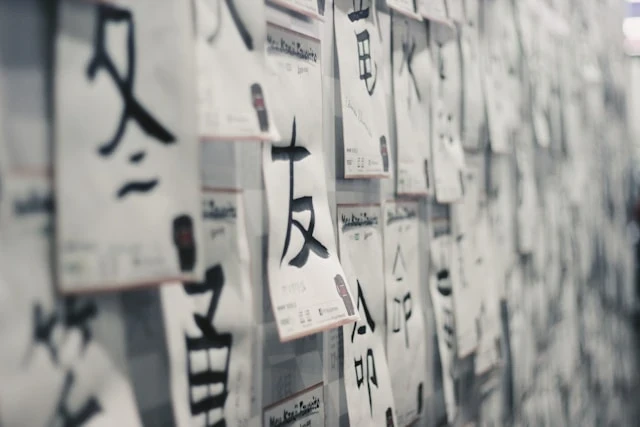
The JLPT N5 requires you to know 80 kanji. That sounds like a lot until you do the math: 80 kanji over 30 days is fewer than 3 new kanji per day.
I learned all of them in a month. Here's exactly how.
The Problem with Kanji
Most beginners approach kanji the wrong way. They open a list, stare at 80 strange symbols, feel overwhelmed, and give up or move on too quickly.
The issue isn't difficulty. It's exposure. You don't memorize kanji by studying them once. You memorize them by seeing them repeatedly, in short bursts, over many days. The brain needs time and repetition to move something from "I've seen this" to "I know this."
My method was designed around exactly that: more frequent exposure, with almost no extra time investment.
The Two Tools I Used
1. The Learn Kanji Tool
The first tool was our own Learn Kanji page on this site.
Every day, I would spend 10-15 minutes going through N5 kanji. The tool shows you the kanji, its reading, its meaning, and example words. You can go at your own pace, mark what you know, and come back to what you don't.
The key was doing this every single day, not a long session twice a week, but a short session daily. I'd review the kanji I'd already seen and add 2-3 new ones to the mix.
2. The Printed Kanji Chart
The second tool was physical: I printed the N5 Kanji PDF chart and put it up on my wall.
Not at my desk. Not in a notebook.
In the bathroom.
Specifically, on the wall in front of me.
The Bathroom Method
We all spend a few minutes in the bathroom every day, and those moments usually go to scrolling the phone. Instead, I had the kanji chart there.
Every time I was in the bathroom, I'd glance at the chart. Not study intensely, just look. I'd pick a kanji or two, try to remember the reading, check if I was right, and move on.
Two minutes, a few times a day, without scheduling, without effort, without sitting down to study. Just ambient exposure.
Over 30 days, those tiny sessions add up to hours of low-pressure review. And because you're not trying to memorize, you're just looking, there's no stress and no fatigue.
The Daily Routine
Here's what a typical day looked like:
Morning (10-15 min): Open the Learn Kanji tool on my phone or laptop. Review yesterday's kanji. Learn 2-3 new ones. Done.
Throughout the day (2-3 min each, a few times): See the chart. Glance at a few kanji. Try to recall the reading before looking. Move on.
That's it. No evening study sessions. No cramming. Just a consistent trickle of exposure throughout the day.